What is EFT tapping? A plain guide for beginners
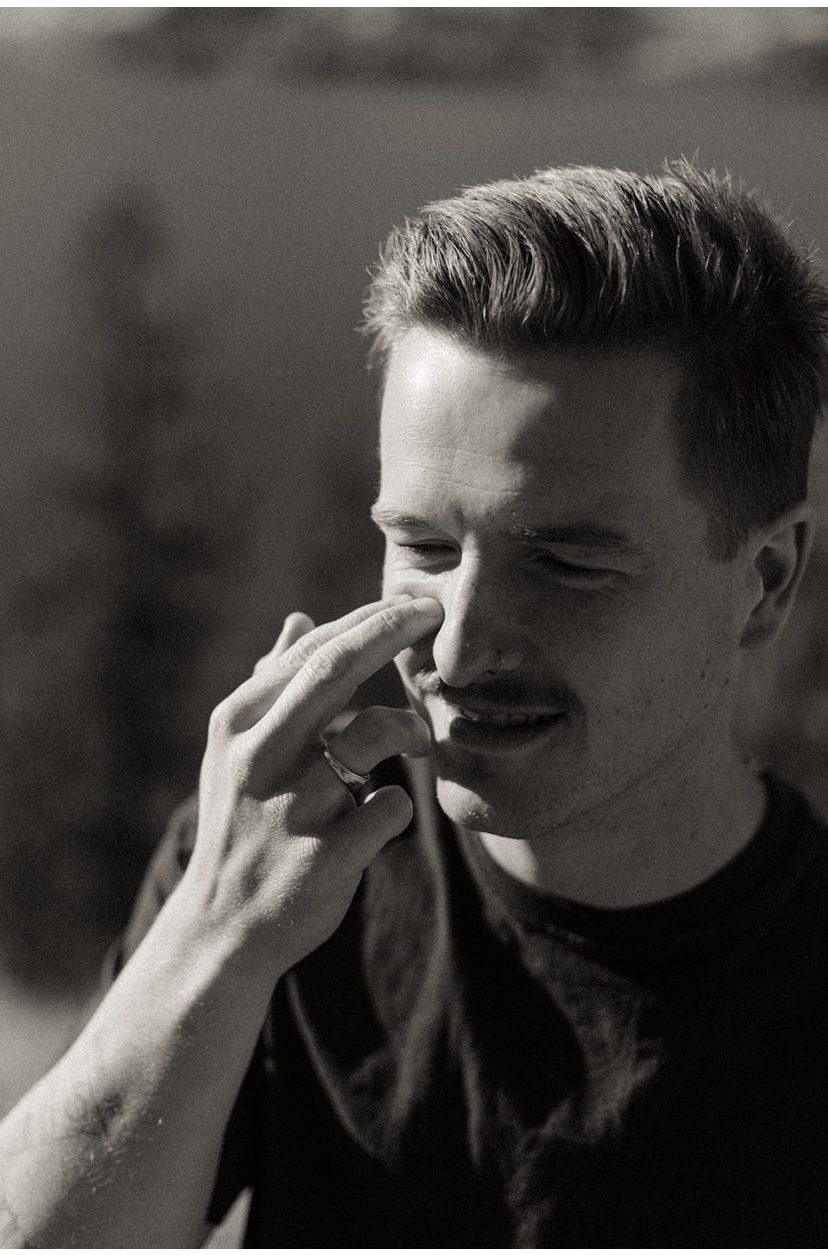
EFT tapping is a body-based practice: you tap lightly on points on your face and upper body while you name what's bothering you. EFT stands for Emotional Freedom Techniques. The tapping calms your body while you stay with what's there, so the stress around it can come down.
Why tap at all?
A lot of what we carry isn't only in our thoughts. It shows up as a tight chest, a clenched jaw, a buzz in the body that won't settle at night. You can understand exactly why you feel that way and still feel it.
The way I see it, your body leads and your mind follows. EFT works with the body, so you're not trying to think your way out of a feeling. You're giving your body a way to let it go.
The nine tapping points
Most EFT uses the same simple set of points. You tap each one about seven to ten times with two fingers, gently.
- Side of the hand, the fleshy edge below your pinky (the "karate chop" point)
- Top of the head
- Eyebrow, where it starts near the bridge of your nose
- Side of the eye, on the bone at the outer corner
- Under the eye, on the bone about an inch below your pupil
- Under the nose, between your nose and top lip
- Chin, in the crease below your bottom lip
- Collarbone, just below where your collarbones meet
- Under the arm, on your side about a hand's width below the armpit
A simple round, step by step
- Notice what's there. Pick one feeling. Where is it in your body? Rate how strong it is from 0 to 10.
- The setup. Tap the side of your hand and say three times: "Even though I feel this [feeling], I accept myself and how I feel."
- Tap through the points. Move from the top of the head down to under the arm, saying a short reminder phrase at each point, like "this tightness in my chest."
- Breathe and check in. Take a slow breath. Rate the feeling again. If it's still high, do another round.
Doing it alone vs. with a practitioner
You can tap on your own, and I'd encourage it. Where a session helps is with the things that keep coming back. A practitioner helps you find what's underneath, keeps it feeling safe, and follows where your body goes so you don't get stuck going in circles.
EFT is a complementary practice. It is not a substitute for medical or mental-health care.
Want to try it with a guide?
Book a 50-minute session and I'll lead you through it. Not sure yet? Start with a free 15-minute call.
Book your session →